Video Description
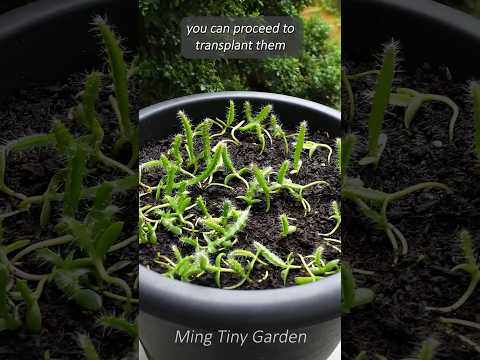
Nurturing Dragon Fruit Seedlings
- Mist Soil:
Moisten the soil gently using a water spray bottle. Avoid over-watering, as excessive moisture can lead to fungal growth and rot.
- Cover with Plastic:
Cover the pots with plastic wrap or place a clear plastic dome over them. This helps create a humid environment that aids in seed germination.
- Monitor Moisture:
Keep the soil slightly moist but not soggy. Mist the soil with water as needed to maintain moisture levels. Check the soil regularly and avoid letting it dry out completely.
- Transplanting:
As the seedlings grow, you'll eventually need to transplant them into larger containers. Choose containers with good drainage, and use a cactus/succulent potting mix. Transplant carefully to avoid damaging the delicate roots.
- Support for Growth:
Dragon fruit plants are climbing cacti, so they will eventually need support as they grow taller. You can provide a trellis or similar structure for them to climb on.
- Fertilization:
Once the seedlings are established, you can start fertilizing them with a diluted cactus or succulent fertilizer according to the product instructions.
- - - -
The time it takes for dragon fruit to grow from seeds to fruits depends on a number of factors, including the variety of dragon fruit, the climate, and the care that the plant receives. However, in general, it can take anywhere from 2 to 5 years for a dragon fruit plant to produce its first fruit.
Here is a more detailed breakdown of the timeline for growing dragon fruit from seeds to fruits:
Germination: The seeds will typically germinate within 2-4 weeks if they are fresh and planted in the right conditions.
Early growth: The seedlings will grow slowly at first, but they will start to grow more quickly once they are established.
Flowering: The plant will start to flower in 1-2 years, depending on the variety.
Fruiting: The plant will start to produce fruit in 2-5 years, depending on the variety and the care that the plant receives.
Once the plant starts to produce fruit, it will continue to do so for many years. However, the yield will typically peak in the first few years and then decline gradually.
- - - -
- Growing from cuttings :
This is a faster way to grow dragon fruits, but it is also more difficult. To do this, you will need to cut a healthy branch from an established dragon fruit plant and allow it to callus for a few days. Once the cutting has calloused, you can plant it in a well-draining potting mix. The cutting will take several months to root and it will need to be transplanted into a larger pot once it has grown a few sets of leaves.
Whichever method you choose, it is important to provide your dragon fruit plant with the right care. Dragon fruit plants need full sun, well-draining soil, and regular watering. With proper care, your dragon fruit plant should produce fruit within a few years.
- - - -
Dragon fruit plants thrive in specific climatic conditions, they can be grown successfully in various regions, including Europe and the USA, with some considerations.
- Climate:
Dragon fruit plants require a warm and tropical to subtropical climate. They are sensitive to frost and cold temperatures. In the USA, dragon fruit cultivation is common in states like Florida, California, Arizona, and Texas, where the climate is suitable. In Europe, they can be grown in regions with a Mediterranean climate, such as southern Spain and parts of Greece.
- Greenhouse Cultivation:
In regions with colder climates, dragon fruit can be grown in greenhouses or protected environments. This allows growers to control the temperature and protect the plants from frost during the winter months.
- Varietal Selection:
Choosing dragon fruit varieties that are more cold-tolerant can also help in regions with milder winters. Some varieties have been bred specifically for more temperate climates.
- Soil and Sunlight:
Dragon fruit plants prefer well-draining soil and full sun exposure. Proper soil preparation and placement in sunny locations can help compensate for less-than-ideal climates.
- Container Gardening:
In areas where outdoor cultivation is challenging, dragon fruit can be grown in containers and moved indoors during the colder months.
- Microclimates:
Sometimes, certain microclimates within a region can be more suitable for dragon fruit cultivation than others. Factors like proximity to large bodies of water or urban heat islands can create slightly warmer conditions.
While it may be more challenging to grow dragon fruits in Europe or some parts of the USA compared to their native habitats, it's not impossible. By carefully selecting varieties, providing suitable growing conditions, and protecting the plants from cold weather, enthusiasts in these regions can successfully cultivate dragon fruit. However, it's essential for prospective growers to research their specific climate and adapt their cultivation techniques accordingly.