Video Description
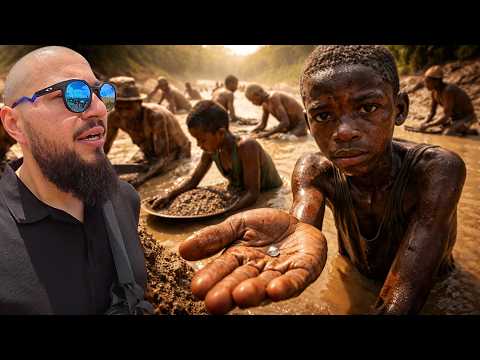
Diamonds in Sierra Leone are often both a blessing and a curse. In muddy pits and along riverbeds, men, women, and children spend long days digging and washing gravel, chasing the tiny chance of finding a stone that could change their lives. Instead, most find exhaustion, exploitation, and a system that keeps them poor while real profits flow to distant markets that never see the faces behind the diamonds.
Working conditions in many artisanal mines are harsh and dangerous. Miners often have no safety gear, no contracts, and no insurance. They stand for hours in water and dust, dig through unstable ground, and risk injury or death in sudden pit collapses. If they get hurt, there is rarely medical care or compensation. When they cannot work, there is no income, so every day becomes a difficult calculation between survival and risk.
Children are part of this struggle. In diamond areas, you see young boys & girls carrying buckets, hauling water, and sifting gravel instead of sitting in classrooms. Families facing hunger often feel they have no choice but to send their children to the mines. For every child in a pit, there is an empty seat at school and a future put on hold. Over time, this feeds a cycle where parents without education watch their children grow up with the same narrow options.
Around the mines, entire communities bear the impact. Temporary camps turn into fragile settlements with poor housing, little clean water, and weak services. Land is dug up, rivers are disturbed, and forests are cleared, leaving behind damaged soil and polluted streams long after the diamonds are gone. Local farmers lose labor to the mines and become more dependent on buying food rather than growing it.
Along the supply chain, the contrast is stark. In towns like Bo or Koidu, people work from sunrise to sunset just to survive. Far away, the same stones are polished and sold as symbols of love and luxury, with rising prices at every step. The miners, who take the greatest risks, see almost none of this wealth. Behind each glittering diamond are tired hands, bent backs, and young lives pulled away from education.
Sierra Leone is more than its diamonds, and there are people and groups trying to change this story by pushing for safer work, fairer pay, and better access to schooling. But as long as harsh conditions and child labor remain part of the trade, every diamond that leaves the country carries a hidden cost: not just in carats, but in human potential that was never given a real chance to shine.