Video Description
Rice varieties that can be grown on dry land without the need for continuous flooding are known as upland or dryland rice varieties. These rice varieties are adapted to regions with less water availability or where the fields cannot be consistently flooded. Here are a few upland rice varieties that are commonly grown:
NERICA (New Rice for Africa): Developed specifically for African regions with water scarcity, NERICA varieties are known for their drought tolerance and suitability for upland cultivation.
Basmati Rice: Basmati rice, famous for its aromatic qualities, can be grown in upland conditions, although it prefers moist soil.
Jasmine Rice: Similar to Basmati, Jasmine rice can tolerate drier conditions compared to other rice varieties.
Upland Rice Varieties: Various upland rice varieties have been developed worldwide to adapt to dry or upland farming conditions. These varieties are often bred for their ability to grow with less water.
Drought-Tolerant Rice Varieties: Some rice varieties have been bred specifically for their drought tolerance, allowing them to thrive in regions with limited water resources.
Keep in mind that while these rice varieties are more tolerant of dry conditions compared to traditional paddy rice, they still require adequate moisture for germination and growth. Irrigation or rainfall during the initial stages of growth is usually necessary, and the water needs may vary depending on the specific variety and local conditions. It's essential to select the appropriate rice variety based on your local climate and water availability to ensure a successful crop.
Growing rice varieties that can be grown on dry land (upland rice) at home is possible, although it can be challenging. Here's a step-by-step guide to help you get started:
Materials you'll need:
1. Upland rice seeds (select varieties suitable for dry land)
2. Garden space with well-draining soil
3. Compost or organic matter
4. Mulch (optional)
5. Fertilizer (balanced, slow-release)
6. Garden tools (spade, rake, etc.)
7. Watering can or garden hose
Steps:
1. Select Suitable Rice Varieties: Choose rice varieties that are specifically designed for upland or dryland conditions. These varieties are more drought-tolerant and can thrive with less water.
2. Prepare the Garden Bed:
- Find a well-draining area in your garden that receives full sunlight for most of the day.
- Use a spade or garden fork to till the soil to a depth of about 6-8 inches. Remove any weeds or rocks.
- Incorporate compost or organic matter into the soil to improve its fertility and water-holding capacity.
3. Planting:
- Sow the rice seeds directly into the prepared garden bed. You can space the seeds according to the recommendations on the seed packet, usually around 4-6 inches apart in rows.
4. Watering: While upland rice is more drought-tolerant than paddy rice, it still needs consistent moisture during its early growth stages. Water the newly planted seeds thoroughly.
5. Mulching (Optional): Applying a layer of organic mulch can help retain soil moisture and control weed growth. However, be sure not to bury the rice seeds too deeply under the mulch.
6. Fertilization: Use a balanced, slow-release fertilizer according to the manufacturer's instructions. Apply the fertilizer when the rice seedlings have grown a few inches tall.
7. Weed Control: Regularly inspect and remove weeds to prevent them from competing with your rice plants for nutrients and water.
8. Monitor Growth: Keep a close eye on your rice plants' growth and health. Continue to water them as needed to maintain consistent moisture levels.
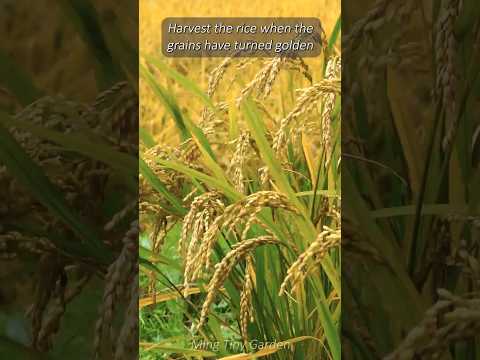
9. Harvesting: Harvesting times vary depending on the rice variety. Generally, you can expect to harvest when the grains have matured and turned a golden color. Harvest the rice stalks by cutting them at the base.
10. Drying and Threshing: After harvesting, allow the rice stalks to dry in a well-ventilated area. Once they are thoroughly dry, you can thresh the grains to separate them from the husks.
11. Storage: Store the harvested rice in a cool, dry place in an airtight container to prevent moisture and pests from damaging it.
Remember that the success of your upland rice cultivation will depend on factors such as the rice variety, local climate, and care provided. It's important to select the right variety for your specific conditions and be prepared to adjust your care practices as needed to ensure a successful harvest.