TEDx Talks banner
TEDx Talks avatar
TEDx Talks
@tedx
Subscribers44.4M
Views8.9B
Videos263K
TEDx TalksPublished at May 22, 2026 at 01:00 AM13:35
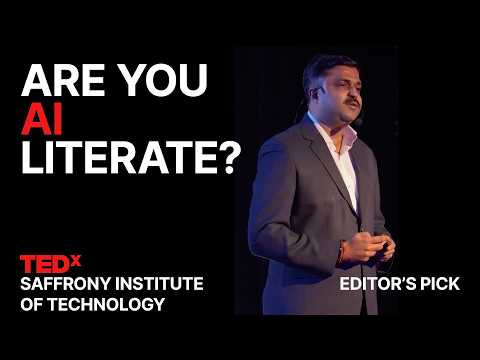
4 easy tips for writing better AI prompts | Kunalsinh Kathia | TEDxSaffrony Institute of Technology thumbnail

4 easy tips for writing better AI prompts | Kunalsinh Kathia | TEDxSaffrony Institute of Technology

15 days agoLong-tail
AICommunicationEngineeringEnglishFutureeasy tips writing
Published time
May 22, 2026 at 01:00 AM
Duration
13:35
Video type
Education
Channel region
United States
Publish Timing Insight
Not enough timing data
This channel still lacks enough historical upload timing data. Let the channel accumulate more snapshots before evaluating the best timing.
Monetization Insight
High RPM
This video sits in a relatively high RPM range, suggesting a more monetization-friendly topic.
Action Suggestion
Watch for sustained growth
The basic conditions are already in place. Keep watching 7-day views and revenue before deciding whether this topic should become a series.
Views
7.6K
Likes
259
Comments
35
Estimated Daily Revenue
-
Estimated Total Revenue
$8.78 - $51.33
RPM Range
$1.15 - $6.72
1D Views Gain
0
7D Views Gain
0
1D Likes Gain
0
7D Likes Gain
0
1D Comments Gain
0
7D Comments Gain
0
Velocity Score
0%
Topic Cluster
AI
Video Description
What if the problem with AI isn’t the technology but how we talk to it? Through humorous, relatable stories, from bad haircuts to awkward photos, Kunalsinh Kathia reveals a powerful insight: we often give incomplete instructions and expect perfect results. In the age of AI, that habit is holding us back. This talk reframes prompting not as a technical skill, but as a fundamental human ability, one that now requires clarity, structure, and intention. Introducing a simple framework to communicate better with AI, he shows how better questions lead to better answers. Because AI isn’t magic, it’s a mirror. And the future won’t belong to those who use AI. It will belong to those who know how to direct it. Kunalsinh Kathia is a transformative engineering educator and Professor at Saffrony Institute of Technology, with 15+ years at the nexus of design, robotics, and digital transformation. A lifelong researcher, he advances AI‑driven generative design and integrates IoT, robotics, and advanced manufacturing into curricula while mentoring BAJA SAE teams. He champions a “Think–Make–Break–Repeat” ethos. Founder of Vaayu AI and creator of Shodh search, he builds practical tools that accelerate research and learning. Author of The Prompt Framework: Crafting Effective AI Queries (Amazon) and a teacher‑trainer for NEP and AI in education, he is a recognized voice in AI literacy. His contributions toward Intellectual Property Rights (IPR) awareness programs were recognized by GTU with a Platinum Category Award. With a Master’s in Machine Design, he teaches with AI as a co‑pilot: blending technical rigor with human‑centered pedagogy to help learners and institutions thrive in the “new normal". This talk was given at a TEDx event using the TED conference format but independently organized by a local community. Learn more at https://www.ted.com/tedx
Related Topics
Continue with closely related videos to judge topic depth and content format.
Topic: AI
Not enough related-topic video data yet.
Video FAQs

These FAQs clarify what this video page measures, why revenue is estimated, and how to use the page for content research.

What can you learn from this video analytics page?

This page shows views, likes, comments, RPM and revenue estimates, publish timing, topic tags, related videos, and the broader channel context behind the video.

Why are RPM and revenue numbers estimates?

Actual earnings depend on monetized playbacks, audience geography, seasonality, advertiser demand, and monetization status. CloutOrbit provides directional estimates for benchmarking, not exact payouts.

How should you use this page for content research?

Compare timing, topic tags, monetization signals, and adjacent videos from the same channel to spot formats, themes, and publishing patterns worth testing.