Learn Bright banner
Learn Bright avatar
Learn Bright
@learnbright
Subscribers929K
Views276.1M
Videos972
Learn BrightPublished at January 13, 2026 at 11:44 PM4:53
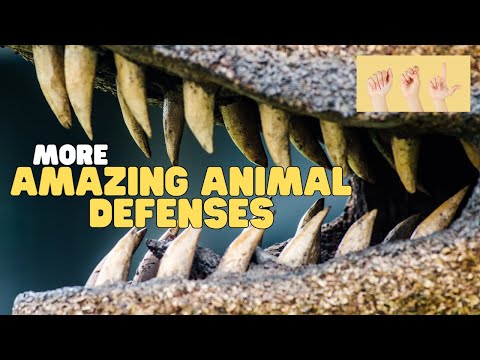
ASL More Amazing Animal Defenses thumbnail

ASL More Amazing Animal Defenses

4 months agoLong-tail
aslamazing animal defensesanimal defensesanimal defense mechanismsanimal defensive behaviorsasl more amazing
Published time
January 13, 2026 at 11:44 PM
Duration
4:53
Video type
Education
Channel region
United States
Publish Timing Insight
Not enough timing data
This channel still lacks enough historical upload timing data. Let the channel accumulate more snapshots before evaluating the best timing.
Monetization Insight
High RPM
This video sits in a relatively high RPM range, suggesting a more monetization-friendly topic.
Action Suggestion
Watch for sustained growth
The basic conditions are already in place. Keep watching 7-day views and revenue before deciding whether this topic should become a series.
Views
7.3K
Likes
14
Comments
0
Estimated Daily Revenue
-
Estimated Total Revenue
$8.39 - $49
RPM Range
$1.15 - $6.72
1D Views Gain
0
7D Views Gain
0
1D Likes Gain
0
7D Likes Gain
0
1D Comments Gain
0
7D Comments Gain
0
Velocity Score
0%
Topic Cluster
asl
Video Description
Today, in this video for kids, we are going to learn more about some amazing kinds of physical defenses that animals use to avoid predators. Many of these defense mechanisms are painful, like a bee sting. Some can even result in a predator’s death, though most aren’t quite so dangerous. But they are all vital to the survival of the animals who use them! Up first is venom. Venom is a liquid with special chemicals that can hurt, paralyze, or kill other animals. Some animals, like coral snakes, have venom glands connected to their fangs. Others, like the Gila monster, have venom in their saliva. Claws are another physical defense. They are the curved, pointed parts at the ends of an animal’s fingers or toes. Claws are made of keratin, just like human fingernails! Eagles have special claws called talons that are great for gripping and scratching. We hope you and your student(s) enjoyed learning about animal defense mechanisms! If you want even more information, head over to our website and download one of our many free lesson plans, full of activities, worksheets, and more! https://learnbright.org/lessons/science/animal-defense-mechanisms-2/ Thank you for watching and learning with us! We’re constantly releasing new content and videos so click that “Subscribe” button and you’ll notified. Find and Follow Us Online: Facebook: https://www.facebook.com/LearnBright/ Instagram: https://instagram.com/LearnBrightEducation Pinterest: https://pinterest.com/LearnBrightEducation YouTube: https://www.youtube.com/LearnBright Website: https://learnbright.org/ *Teachers and Parents! Did you know? In addition to these great videos, we have also created a library of high quality and engaging lessons for your elementary aged student(s). Visit us, sign up for a free account, and instantly you'll have access to thousands of lesson plans, learning materials, teaching instructions, activities, and assignments that your kids will really enjoy! We hope to see you soon! Browse our entire collection of Science lesson plans: https://learnbright.org/lessons/?filter_subject=science #asl #animaldefenses #animals
Related Topics
Continue with closely related videos to judge topic depth and content format.
Topic: asl
Not enough related-topic video data yet.
Video FAQs

These FAQs clarify what this video page measures, why revenue is estimated, and how to use the page for content research.

What can you learn from this video analytics page?

This page shows views, likes, comments, RPM and revenue estimates, publish timing, topic tags, related videos, and the broader channel context behind the video.

Why are RPM and revenue numbers estimates?

Actual earnings depend on monetized playbacks, audience geography, seasonality, advertiser demand, and monetization status. CloutOrbit provides directional estimates for benchmarking, not exact payouts.

How should you use this page for content research?

Compare timing, topic tags, monetization signals, and adjacent videos from the same channel to spot formats, themes, and publishing patterns worth testing.