TEDx Talks banner
TEDx Talks avatar
TEDx Talks
@tedx
Subscribers44.4M
Views8.9B
Videos263K
TEDx TalksPublished at May 29, 2026 at 12:47 AM9:34
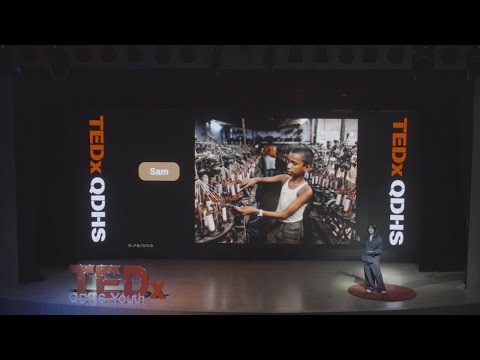
How Fast Fashion Spreads Over Consumption | Lisa Zhou | TEDxQDHS Youth thumbnail

How Fast Fashion Spreads Over Consumption | Lisa Zhou | TEDxQDHS Youth

8 days agoActive window
EnglishFashionGlobal IssuesGlobal issuesTEDxTalksfast fashion spreads
Published time
May 29, 2026 at 12:47 AM
Duration
9:34
Video type
Education
Channel region
United States
Publish Timing Insight
Not enough timing data
This channel still lacks enough historical upload timing data. Let the channel accumulate more snapshots before evaluating the best timing.
Monetization Insight
High RPM
This video sits in a relatively high RPM range, suggesting a more monetization-friendly topic.
Action Suggestion
Watch for sustained growth
The basic conditions are already in place. Keep watching 7-day views and revenue before deciding whether this topic should become a series.
Views
34
Likes
0
Comments
0
Estimated Daily Revenue
-
Estimated Total Revenue
$0.04 - $0.23
RPM Range
$1.15 - $6.72
1D Views Gain
0
7D Views Gain
0
1D Likes Gain
0
7D Likes Gain
0
1D Comments Gain
0
7D Comments Gain
0
Velocity Score
0%
Topic Cluster
English
Video Description
Am I really buying something I need or just repeating an echo? My name is Lisa Zhou, and I’m a high school student who loves observing fashion and culture. I’ve noticed that from casual conversations with friends about outfits to the latest displays in store windows, every trend seems to echo from one person to another, shaping our choices and tastes without us even realizing it. Over time, I realized that my wardrobe isn’t just a collection of clothes, but instead a mirror of echoes, reflecting the desires and societal pressures that influence each of us. In a world where trends and information spread faster than ever, fashion seems like a tool for self-expression, but it also quietly traps us in endless cycles of overconsumption. This makes me wonder if the motivation of fashion is self-expression or to keep up with the echo. In my speech, I hope to show, from a student’s perspective, how fast fashion echoes influence our decisions, and to explore whether creativity and redesign can replace endless consumption. My name is Lisa Zhou, and I’m a high school student who loves observing fashion and culture. I’ve noticed that from casual conversations with friends about outfits to the latest displays in store windows, every trend seems to echo from one person to another, shaping our choices and tastes without us even realizing it. Over time, I realized that my wardrobe isn’t just a collection of clothes, but instead a mirror of echoes, reflecting the desires and societal pressures that influence each of us. In a world where trends and information spread faster than ever, fashion seems like a tool for self-expression, but it also quietly traps us in endless cycles of overconsumption. This makes me wonder if the motivation of fashion is self-expression or to keep up with the echo. In my speech, I hope to show, from a student’s perspective, how fast fashion echoes influence our decisions, and to explore whether creativity and redesign can replace endless consumption. This talk was given at a TEDx event using the TED conference format but independently organized by a local community. Learn more at https://www.ted.com/tedx
Related Topics
Continue with closely related videos to judge topic depth and content format.
Topic: English
Not enough related-topic video data yet.
Video FAQs

These FAQs clarify what this video page measures, why revenue is estimated, and how to use the page for content research.

What can you learn from this video analytics page?

This page shows views, likes, comments, RPM and revenue estimates, publish timing, topic tags, related videos, and the broader channel context behind the video.

Why are RPM and revenue numbers estimates?

Actual earnings depend on monetized playbacks, audience geography, seasonality, advertiser demand, and monetization status. CloutOrbit provides directional estimates for benchmarking, not exact payouts.

How should you use this page for content research?

Compare timing, topic tags, monetization signals, and adjacent videos from the same channel to spot formats, themes, and publishing patterns worth testing.