Video Description
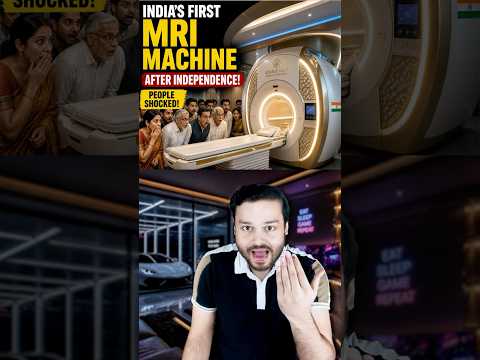
Recent developments around MRI machines in India highlight a significant shift in the country’s healthcare technology landscape. One of the most talked-about breakthroughs is the introduction of India’s first portable MRI system at AIIMS Delhi. This innovation allows doctors to conduct brain scans directly at a patient’s bedside, especially in intensive care units. Traditionally, critically ill patients had to be transported to imaging rooms, which carried risks and delays. The portable MRI reduces these challenges, enabling faster diagnosis and improving patient safety in emergency situations.
Another major development is the progress toward India’s first indigenously developed MRI machine. Built through collaboration between SAMEER (Society for Applied Microwave Electronics Engineering and Research) and AIIMS Delhi, this 1.5 Tesla MRI scanner represents a step toward self-reliance in medical technology. India has long depended on imported MRI machines, which are expensive and increase the cost of diagnostic services. By manufacturing MRI systems domestically, the country aims to reduce costs, improve accessibility in smaller hospitals, and strengthen its “Make in India” initiative in the healthcare sector.
In parallel, private startups are also contributing to innovation. Companies like VoxelGrids have developed MRI machines designed specifically for Indian conditions. These systems are more affordable and, in some cases, eliminate the need for liquid helium—a key but costly component in conventional MRI machines. This makes them easier to maintain and more suitable for use in tier-2 and tier-3 cities, where infrastructure and budgets can be limited.
However, challenges remain. A global shortage of helium, which is essential for cooling MRI magnets, has raised concerns about rising costs and maintenance difficulties. This has further emphasized the importance of indigenous innovation and alternative technologies. Overall, India’s recent MRI-related advancements reflect a broader trend: moving from reliance on imported medical equipment toward developing cost-effective, locally suited, and technologically advanced solutions that can serve a wider population.
Subscribe to FactTechz